Situation
A fly ash recycling project in Jiangsu adopted the traditional step-by-step operation mode of "convey first, then cool." This model involved cumbersome processes and redundant equipment, resulting in low production efficiency. Additionally, high equipment investment and maintenance costs severely restricted the project's mass production profitability.
Task
To meet the client's core needs for large-scale fly ash mass production, the task was to break through traditional process bottlenecks and optimize workflows and equipment configurations. The goal was to significantly improve overall production efficiency and streamline equipment setups while ensuring compliant treatment and stable operation, thereby reducing conveying equipment costs and helping the new project achieve rapid cost reduction and efficiency gains.
Action
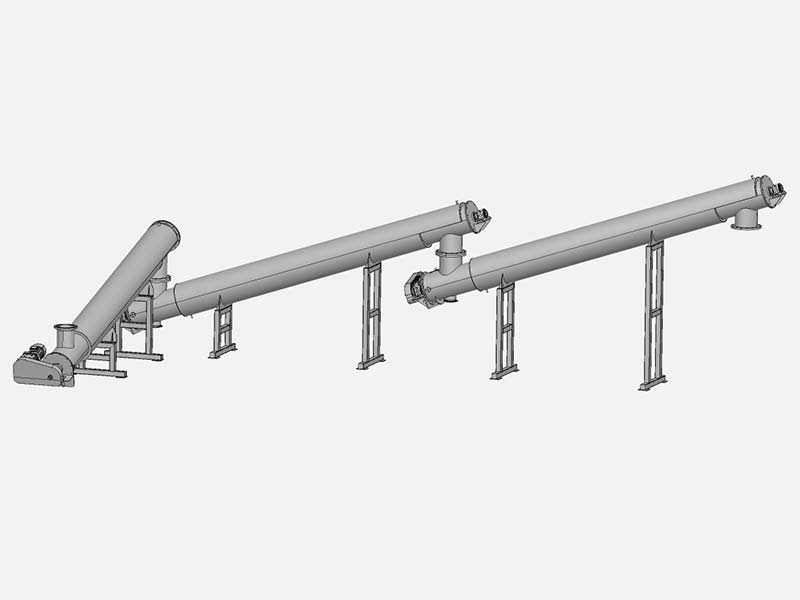
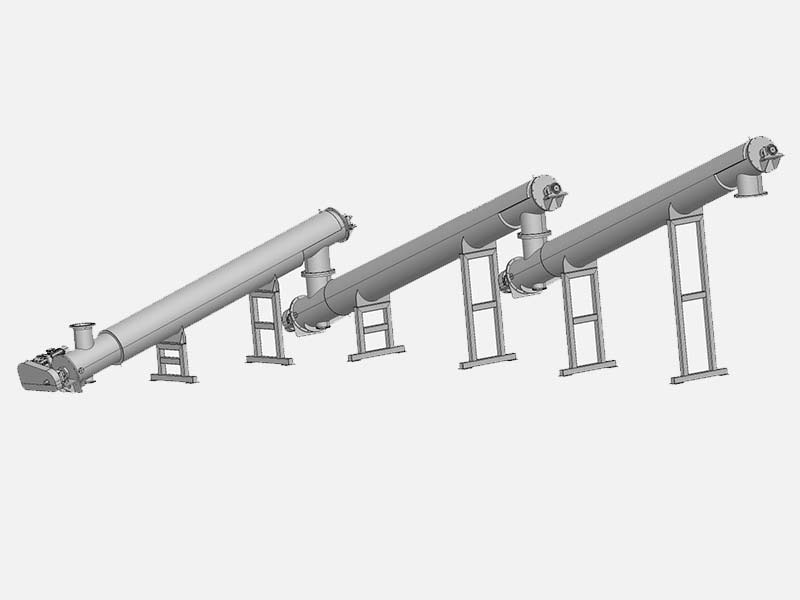
We abandoned the step-by-step operation and innovatively implemented an integrated solution of "conveying and cooling simultaneously." By integrating the functions of the conveying equipment with the process chain, the conveying and cooling processes were completed at the same time. This eliminated intermediate transfer and secondary processing links while optimizing operating parameters to maximize assembly line efficiency.
Result
30% Increase in Production Efficiency: Eliminated process interval losses and significantly increased the daily processing capacity per unit, fully meeting the demands of large-scale mass production.
25% Reduction in Comprehensive Costs: Streamlined redundant equipment and operational systems, substantially cutting down on equipment procurement, maintenance, and energy consumption expenses.
Industry Benchmark Established: Successfully resolved the industry pain points of inefficient mass production and high costs, providing a replicable model for the scaled operation of the fly ash treatment industry.